How are valves classified?
Valve is very common for life and production, is now an indispensable important component. And the valve also plays a very important role in the emergency rescue system. To formulate effective emergency plans for various emergency situations can not only guide the daily training and exercises of emergency personnel, but also ensure that all kinds of emergency resources are in a good state of war readiness.
In addition, it can guide emergency operations to be carried out in an orderly manner according to plan, and prevent the delay of emergency response due to poor operation organization or chaos of on-site rescue work, thus reducing casualties and property losses. How does the valve respond to emergency rescue at the scene of an accident
The work has an important guiding significance, which helps to realize the rapid, orderly and efficient emergency action, so as to fully reflect the "emergency spirit" of emergency rescue.
Valves are guidance documents for emergency actions required for any possible accident.
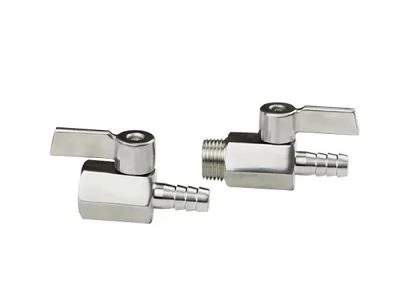
Basic requirements for valves
The purpose of making emergency rescue plan is to make the best use of the fastest speed in case of an accident, carry out rescue in an orderly way, control the development of the situation as soon as possible, reduce the harm caused by the accident and reduce the loss of the accident.
(1) Scientific. Accident emergency rescue work is a scientific work, the formulation of the plan must also be in a scientific attitude, on the basis of a comprehensive investigation and research, carry out scientific analysis and demonstration, formulate a rigorous, unified, complete emergency response plan, so that the plan is truly scientific.
(2) practicability. The emergency rescue plan should be in line with the objective situation of the enterprise site and local, with applicability and practicability, and easy to operate.
(3) authority. Rescue work is an emergency work under the state of emergency, the emergency rescue plan should be clear.
Valves should normally include the following:
(1) Identification and evaluation of emergency situations and accident disasters;
(2) Confirmation and preparation of human resources, materials and tools;
(3) To guide the establishment of a reasonable and effective emergency organization on and off the site;
(4) Design emergency operation tactics;
(5) Formulate measures for site clearance, consolidation and recovery after the accident.