

Latest Products


Contact Us
- Factory: No.90 xinxin Rd, Fengdu industrial zone, Hangzhou, China.311115.
- Office: Rm 707, 3# haloplaza, Liangzhu, Yuhang Dist, Hangzhou, China.
- Jeffkf1502@163.com
Tel: +86-0571-88550927
Fax: +86-0571- 88550920
Wechat / Whatsapp: + 86 18758159121
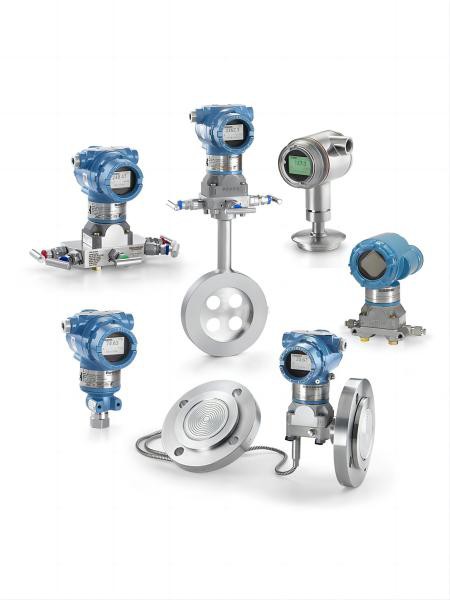
What is a transmitter?
A transmitter is a converter that converts the output signal of a sensor into a signal that can be recognized by the controller (or converts the non-electrical input of the sensor into an electrical signal and amplifies it for remote measurement and control as a signal source). Sensors and transmitters together form a monitoring signal source for automatic control. Different physical quantities require different sensors and corresponding transmitters. There are many types of transmitters, and the transmitters used in industrial control instruments mainly include temperature transmitters, pressure transmitters, flow transmitters, current transmitters, voltage transmitters, and so on.
Features transmitter
A device that converts physical measurement signals or ordinary electrical signals into standard electrical signals for output or can output them through communication protocols
The so-called "change" refers to the transformation of various physical quantities from sensors into an electrical signal. For example, using thermocouples to convert temperature into potential; Using current transformers to convert large currents into small currents
The so-called "sending" refers to unifying the electrical signals from sensors through electronic circuits (such as 4-20MA) to facilitate the reception and transmission of various transformed electrical signals by other instruments or control devices. The method is achieved through multiple operational amplifiers. This combination of "transformation" and "transmission" forms the most commonly used transmitter in modern times.
Transmitter Products Description
 Industrial Gas Oil Water Pressure Sensor Transmitter
Industrial Gas Oil Water Pressure Sensor Transmitter . Accuracy: 0.5% FS . Material : stainless steel . Pressure range : 0~35KPa...60MPa.
Add to Inquiry DP Transmitter With 3 Way Manifold And HART
differential pressure transmitter with 3 way manifold valve . with Hart protocol transmitter . 4-20mA output pressure transmitter .
Add to Inquiry Smart 4-20mA HART Differential Pressure Transmitter
Hart protocol differential pressure transmitter . Accuracy 0.1 % . IP65 . 4-20mA output signal.
Add to Inquiry Split Type Vibration Sensor SWZT-1F/A Sensor
Split type vibration sensor SWZT-1F/A. 12vDC power, 4-20mA output . SWZQ-1A+ temperature sensor alarm monitor.
Add to Inquiry Vibration And Temperature Sensor
Vibration and temperature transmitter . SWZT-1F/A AND CU50 thermal resistance . SWZQ-1A+ Alarm.12vDC,4-20mA output.
Add to Inquiry Temperature And Vibration Transmitter
Vibration and temperature transmitter . SWZT-1F/A AND CU50 thermal resistance . SWZQ-1A+ Alarm.12vDC,4-20mA output.
Add to Inquiry 3051 Pressure Transmitter
Model 3051C, gauge and absolute pressure transmitters. Excellent performance: accuracy of 0.075%, range ratio of 100:1. Differential pressure: calibration range from 0.5inH2O to 2000psi.
Add to Inquiry Stainless Steel TransmitterAdd to Inquiry
 Temperature Transmitter Temperrature Sensor
A temperature sensor refers to a sensor that can sense temperature and convert it into a usable output signal. Temperature sensors are the core part of temperature measurement instruments and have a
Add to Inquiry
Hangzhou Yucheng Science & Technology Co., Ltd is a professional manufacturer of pressure equipment, our factory was founded in 2005 and specializes in manufacturing pressure gauges, thermometers, transmitters, and related accessories.
All our pressure equipment was widely used in the Oil & Gas refinery, textiles, chemical, food, and beverage industries.
ISO9001:2000 certificated company, to guarantee excellent product quality.
Main clients from Africa, South America, North America, and Asia. and Europe.
Our production capacity: about 1 million sets of various kinds of pressure equipment.
Our location: factory in Ningbo and Hangzhou, office in Hangzhou.
Contact us for any request. we will design and produce the right product according to your request at a competitive price.

01
High Quality
02
Advanced Equipment
03
Professional Team
04
Custom Service


Temperature transmitters, pressure transmitters, flow transmitters, current transmitters, voltage transmitters, and so on.
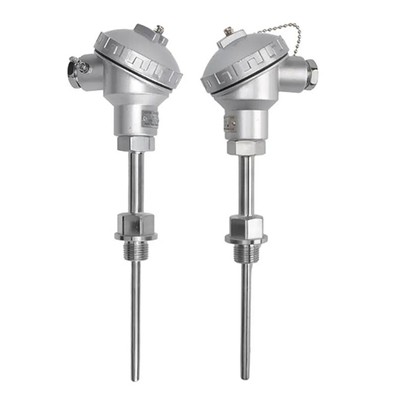
Thermal Resistance Temperature Transmitter
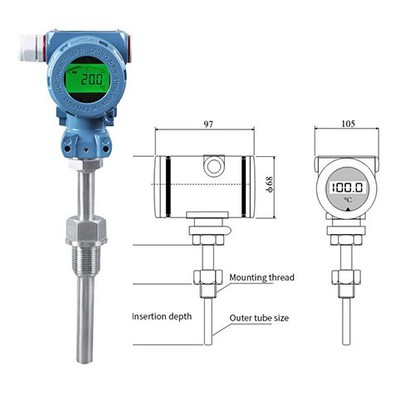
Temperature Transmitter
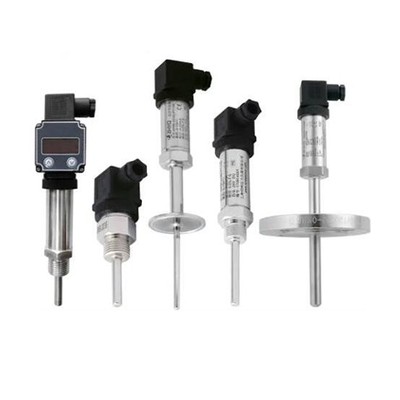
Different Types Thermocouples
Pressure Transmitters
Pressure Transmitters
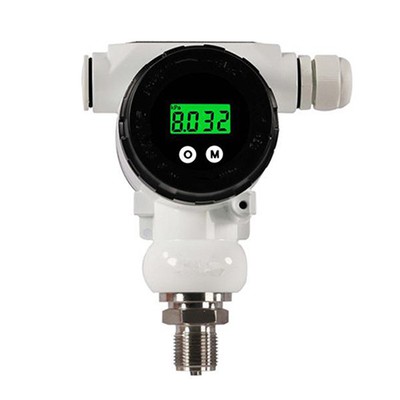
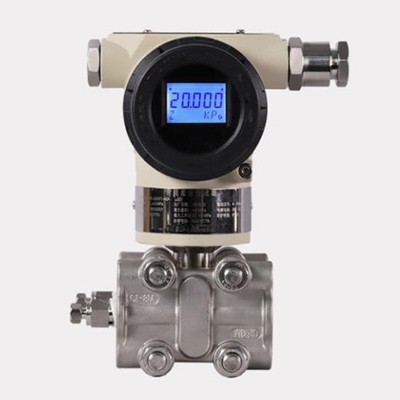
A pressure transmitter, also known as a differential transmitter, mainly consists of a pressure measuring element sensor, module circuit, display head, gauge housing, and process connectors. It can convert the received pressure signals of gases, liquids, etc. into standard current and voltage signals for supply to secondary instruments such as indicator alarms, recorders, regulators, etc. for measurement, indication, and process regulation.
The measurement principle of a pressure transmitter is that the process pressure and reference pressure are respectively used as transmitters to integrate the two ends of the silicon pressure-sensitive element. The differential pressure causes the silicon wafer to deform (with very small displacement, only μ To enable the fully dynamic Wheatstone bridge made of semiconductor technology on a silicon wafer to output an mV voltage signal proportional to pressure under external current source driving. Due to the excellent strength of silicon materials, the linearity and variation index of the output signal are both high. During operation, the pressure transmitter converts the measured physical quantity into an mV-level voltage signal and sends it to a differential amplifier with a high amplification factor that can cancel out temperature drift. The amplified signal is transformed into a corresponding current signal through voltage and current conversion, and then undergoes nonlinear correction to finally generate a standard current voltage signal that is linearly related to the input pressure.
Pressure transmitters can be divided into two types based on the pressure measurement range: general pressure transmitters (0.001MPa~20MPa) and micro differential pressure transmitters (0-30kPa).
Common faults of transmitters
1
During installation, the pressure-sensitive part of the transmitter shall be axially perpendicular to the gravity direction. If the installation conditions of the transmitter are limited, the zero position of the transmitter shall be adjusted to the standard value after installation and fixation.
2
The remaining pressure cannot be released, so the zero position of the sensor cannot be lowered. The best way to eliminate this reason is to remove the sensor and directly check if the zero position is normal. If it is normal, replace the sealing ring and try again.
3
The output of the pressurized transmitter does not change, but when the output of the pressurized transmitter suddenly changes, the zero position of the pressure relief transmitter cannot return. The cause of this phenomenon is highly likely to be caused by the sealing ring of the pressure sensor.
4
Whether it meets the power supply requirements; Check for any wiring errors between the power supply, transmitter, and load equipment. If there is no voltage on the wiring terminals of the transmitter or if the polarity is reversed, it can cause the transmitter to output no voltage signal.
5
The casing of pressure sensors and transmitters generally needs to be grounded, and signal cables should not be mixed with power cables. Strong electromagnetic interference should be avoided around sensors and transmitters.
6
When selecting pressure sensors and transmitters, users should fully understand the working conditions of the pressure measurement system, make reasonable choices according to needs, make the system work in the best state, and reduce engineering costs.
7
Transfer the filling liquid to both sides of the measuring diaphragm through isolation plates and components. A capacitor is formed by measuring the electrodes on both sides of the membrane and insulating sheets.
8
Pressure transmitters are required to be inspected once a week and once a month, mainly to remove dust from the instrument, carefully inspect electrical components, and regularly calibrate the output current value. The internal pressure transmitter is weak and must be isolated from external strong electricity.
Integrated temperature transmitters generally consist of temperature measuring probes (thermocouples or thermal resistance sensors) and two wire solid electronic units. The temperature measurement probe is directly installed in the junction box in the form of a solid module, forming an integrated transmitter. Integrated temperature transmitters are generally divided into two types: thermistor and thermocouple types.
The integrated temperature transmitter has the advantages of simple structure, saving leads, large output signal, strong anti-interference ability, good linearity, simple display instrument, solid module seismic and moisture-proof, reverse connection protection and current limiting protection, and reliable operation.
The output of the integrated temperature transmitter is a unified 4-20mA signal; Can be used in conjunction with microcomputer systems or other conventional instruments. Users can also request to make explosion-proof or fire-resistant measuring instruments.
The thermistor temperature transmitter is composed of a reference unit, an R/V conversion unit, a linear circuit, transmitter (Figure 11) reverse protection, current limiting protection, a V/I conversion unit, etc. After the temperature measurement resistance signal is converted and amplified, the non-linear relationship between temperature and resistance is compensated by a linear circuit. After being converted by a V/I conversion circuit, a constant current signal of 4-20mA that is linearly related to the measured temperature is output.
Classification of wire systems
Compared with the three-wire system (one positive power line, two signal lines, one of which shares GND) and the four-wire system (two positive and negative power lines, two signal lines, one of which shares GND), the two-wire system has lower measurement accuracy.
Two wire system
Two-wire system: The method of connecting a wire to each end of a thermoelectric resistor to draw out a resistance signal is called a two-wire system. This lead method is very simple, but because there is inevitably a lead resistance r when connecting wires, the size of r is related to the material and length of the wire, so this lead method is only suitable for situations with low measurement accuracy;
Three wire system
Three-wire system: The method of connecting one lead at one end of the root of the thermal resistor and two leads at the other end is called a three-wire system. This method is usually used in conjunction with an electric bridge to effectively eliminate the influence of lead resistance, and is the most commonly used method in industrial process control;
Four wire system
Four-wire system: The method of connecting two wires at each end of the root of the thermal resistor is called a four-wire system, where two leads provide a constant current I for the thermal resistor, converting R into a voltage signal U, and then leading U to the secondary instrument through the other two leads. It can be seen that this lead method can completely eliminate the influence of lead resistance, and is mainly used for high-precision temperature detection.
Thermocouple temperature transmitters generally consist of reference sources, cold junction compensation, amplification units, linearization processing, V/I conversion, couple-breaking processing, reverse protection, current limiting protection, and other circuit units. It amplifies the thermoelectric potential generated by the thermocouple through cold end compensation, then eliminates the nonlinear error between thermoelectric potential and temperature through a linear circuit, and finally amplifies and converts it into a 4-20mA current output signal. To prevent accidents caused by temperature control failure due to thermocouple wire breakage during thermocouple measurement, the transmitter is also equipped with a power-off protection circuit. When the thermocouple wire is broken or poorly connected, the transmitter will output the maximum value (28mA) to cut off the power supply of the instrument.
Pressure transmitter: The main types of transmitters according to application conditions are as follows
Low (micro) pressure/low differential pressure transmitter
Medium pressure/medium differential pressure transmitter
High pressure/high differential pressure transmitter
Absolute pressure/vacuum/negative pressure differential pressure transmitter
High temperature/pressure, differential pressure transmitter
Corrosion resistant/pressure, differential pressure transmitter
Easy to crystallize/pressure, differential pressure transmitter
Common transmitters
Ordinary Pressure Transmitters
Differential Pressure Transmitters
Single Flange Transmitters
Double Flange Transmitters
Plug-In Flange Transmitters
Pressure transmitter selection principles
-
Corrosion medium, propriety is important to choose the appropriate material for the capsule, otherwise, the outer membrane will be corroded and damaged in a short time after use, and the flange will also be corroded and damaged .304 stainless steel, 316L stainless steel, tantalum capsule materials, etc.
-
High-temperature medium 200 c -400c, choose high-temperature type.
-
Working pressure level, the pressure level of the transmitter must be consistent with the application situation.
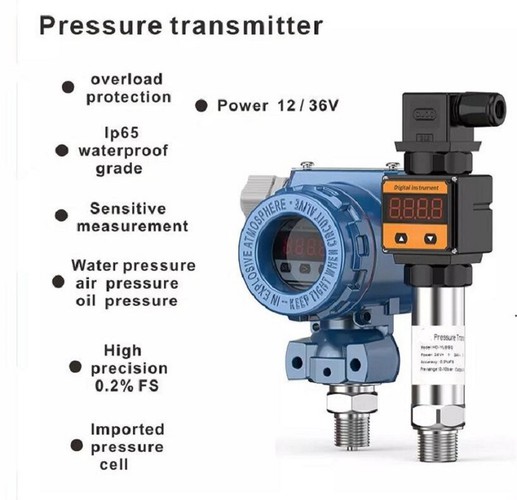
Differential pressure transmitter selection is based on the following points
1. Measurement range, required accuracy, and measurement functions;
2. The environment faced by the measuring instrument, such as the industrial environment of the petrochemical industry, has the presence of flammable (toxic) and explosive hazardous atmospheres, and has high environmental temperatures;
3. The physical and chemical properties and state of the tested medium, such as strong acid, strong alkali, viscosity, easy solidification, crystallization, and gasification conditions;
4. Changes in operating conditions, such as changes in medium temperature, pressure, and concentration. Sometimes, it is necessary to consider the changes in gas and liquid phase concentrations and densities from driving to achieving normal production parameters;
5. The structure, shape, size, equipment accessories inside the container, and various inlet and outlet material pipe openings of the tested object container should be considered, such as towers, solution tanks, reactors, boiler drums, vertical tanks, spherical tanks, etc;
6. Other requirements, such as environmental protection and hygiene requirements;
7. The selection of engineering instruments should have a unified consideration, requiring the reduction of a variety of specifications and spare parts as much as possible to facilitate management;
8. Specific requirements from process patent holders.
9. Actual process situation:
1) Consider which type of device the tested object belongs to. For tanks and cans, if the volume of the tank is small, the measurement range will not be too large. If the volume of the tank is large, the measurement range may be large;
2) To consider the physicochemical properties and cleanliness of the medium, conventional differential pressure transmitters, and float level transmitters are preferred, and the material of the part in contact with the medium should also be selected;
3) Single flange differential pressure transmitter can be used for some suspended solids, foam, and other media. Some are prone to precipitation and crystallization, using plug-in double-flange differential pressure transmitters;
4) For the liquid level of high-viscosity media and high-pressure equipment, since the equipment cannot be perforated, a radiation level gauge can be used to measure it;
5) In addition to measurement methods and technical issues, there are also instrument investment issues.
We're well-known as one of the leading transmitter manufacturers and suppliers in China, featured by cheap products and good service. We warmly welcome you to wholesale custom made transmitter at competitive price from our factory.
