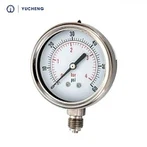
How to select according to the characteristics of the medium?
The methods of selecting electromagnetic flowmeter according to the characteristics of the medium mainly include the following aspects:
1. Determine the conductivity of the medium
Electromagnetic flowmeter is suitable for measuring the flow of conductive liquids, such as tap water, various industrial water, acid and alkali solutions, etc. Therefore, it is necessary to first clarify whether the medium to be measured is conductive. For non-conductive liquids or gases, electromagnetic flowmeters cannot work.
2. Consider the corrosiveness of the medium
If the medium is corrosive, an electromagnetic flowmeter made of corrosion-resistant materials suitable for the medium should be selected. For example, for highly corrosive media such as sulfuric acid, polytetrafluoroethylene (PTFE) lining and tantalum electrodes can be selected. At the same time, attention should be paid to the overall corrosion resistance of the flowmeter to ensure its long-term stable operation.
3. Evaluate the temperature and pressure of the medium
Select a suitable electromagnetic flowmeter model according to the temperature and pressure range of the medium. Generally speaking, the operating temperature and pressure range of electromagnetic flowmeters have certain restrictions. If the temperature and pressure of the medium exceed this range, a specially designed high-temperature and high-pressure electromagnetic flowmeter needs to be selected.
4. Consider the viscosity and density of the medium
Although the electromagnetic flowmeter is not affected by changes in liquid viscosity, density, pressure, etc., the impact of these factors on the performance of the electromagnetic flowmeter still needs to be considered when selecting. Especially when the medium viscosity is high, it should be ensured that the electromagnetic flowmeter can accurately measure and adapt to this working condition.
5. Choose the right electrode material
The electrode is a key component of the electromagnetic flowmeter, and its material directly affects the measurement accuracy and service life. Common electrode materials include stainless steel, Hastelloy, titanium, platinum, gold, carbon, etc., and the appropriate material should be selected according to the characteristics of the medium. For example, platinum electrodes are suitable for measuring high-temperature and highly corrosive liquids, while stainless steel electrodes are suitable for general water and sewage.
6. Pay attention to other special needs
In addition to the above five factors, the electromagnetic flowmeter should be selected according to other special needs in the actual application scenario. For example, for occasions that require fast response, an electromagnetic flowmeter with fast response speed should be selected; for slurry containing more solid particles, an electromagnetic flowmeter specifically suitable for slurry measurement needs to be selected, etc.
The daily maintenance precautions of the electromagnetic flowmeter mainly include the following aspects:
I. Appearance inspection and cleaning
Regular inspection : The appearance of the electromagnetic flowmeter, including the housing, display screen, etc., should be checked regularly to see if there is any damage, deformation, corrosion or scratches. If any problems are found, they should be dealt with in time to prevent further damage.
Keep clean : The electromagnetic flowmeter needs to be kept clean, and dust, dirt, oil and other impurities on its surface should be removed regularly. You can use a clean damp cloth or a soft brush for cleaning, but avoid using corrosive cleaners or sharp tools to avoid damaging the housing and display screen of the flowmeter.
II. Connection and cable inspection Connection inspection
Regularly check the connection between the flowmeter and the pipeline to ensure good sealing and no leakage. At the same time, check whether the connecting bolts are loose. If they are loose, tighten them in time.
Cable inspection : Check whether the cable connection is firm, and whether there is any looseness, damage, aging or poor contact. The cable is an important part of connecting the flowmeter and the control system. If there is a problem, it may cause signal transmission interruption, affecting the measurement accuracy and stability.
III. Lining and electrode maintenance
Lining maintenance: Ensure that the lining of the electromagnetic flowmeter is not scratched or punctured by hard objects to avoid affecting its finish and measurement accuracy. If the measuring medium is easy to contaminate the electrode or precipitate and scale in the measuring tube wall, it needs to be cleaned regularly to ensure the measurement accuracy and stability of the flowmeter.
Electrode maintenance: Regularly check the surface condition of the electrode to see if there is corrosion, scaling or wear. If there are attachments on the surface of the electrode, it will affect the measurement accuracy and should be cleaned in time. When cleaning, choose a suitable cleaning method and avoid using cleaning agents or tools that may damage the electrode.
IV. Verification and calibration
Regular verification: Perform calibration work regularly and use standard flowmeters or other precision measuring equipment for comparison to ensure the measurement accuracy of the electromagnetic flowmeter.
Regular calibration: After using the electromagnetic flowmeter for a period of time, the measurement error may increase, so it needs to be calibrated regularly. Calibration can be divided into two methods: online calibration and offline calibration. The appropriate calibration method should be selected according to the actual situation.
V. Prevent external interference and collision
Prevent interference: The electromagnetic flowmeter should be protected from strong electromagnetic interference. Shielding measures or adjustment of the installation position can be taken. At the same time, keep the cables clean to reduce external interference.
Prevent collision: External objects should be prevented from damaging the equipment. It is recommended to install a protective cover or use a shockproof device.
In the actual use of the electromagnetic flowmeter, follow the above daily maintenance precautions to ensure the normal operation of the electromagnetic flowmeter and extend its service life as much as possible.